What Is Cell and Molecular Biology? Definition, Core Concepts, Degree Options, and Career Paths for International Students

Cell and molecular biology studies cells, their molecular components, and the biochemical processes that make life possible at microscopic scales. The field explores how DNA, RNA, proteins, organelles and cellular systems coordinate to drive growth, signaling, repair and heredity, and it connects molecular mechanisms to observable cell behavior. This guide is written for international students seeking programs in the US and Canada and for institutions looking to recruit qualified applicants. Below you’ll find clear explanations of core concepts, program options, career paths, current research trends (like CRISPR and single‑cell genomics), and a practical roadmap for applying. By the end you’ll understand essential principles, typical degree structures (from undergraduate options to PhD tracks), application steps, and how to align your profile with program expectations in North America.
What Are the Core Concepts of Cell and Molecular Biology?
At its heart, cell and molecular biology examines cell structure and function alongside the molecular processes that control life — especially the flow of information from DNA to RNA to protein, and how that information organizes cells. The discipline marries cell biology’s study of organelles and cellular systems with molecular biology’s focus on genetic information, gene regulation and biochemical pathways. Grasping these foundations gives you the analytical tools needed for lab research, roles in biotech, and clinical work. Below are the key concepts every applicant should know before pursuing advanced study.
Step 1 of 3
Use of this form constitutes your agreement to our Terms of Use and Conditions.
Step 2 of 3
Step 3 of 3
Thank You!
Your information has been submitted successfully.
For more information, please review our Terms and Conditions.
Core concepts in cell and molecular biology include:
- Cell structure and organelles: nucleus, mitochondria, endoplasmic reticulum and membranes.
- The central dogma and gene expression: DNA replication, transcription and translation.
- Biomolecules and interactions: DNA, RNA, proteins, lipids and metabolites.
- Cellular processes: signaling, division, apoptosis and differentiation.
- Common laboratory techniques: PCR, gel electrophoresis, sequencing and microscopy.
These concepts link directly to experimental methods and research questions; understanding them helps you evaluate curricula and lab opportunities when comparing programs.
Study Cell & Molecular Biology- Find a program
What Is Cell Biology? Definition, Structure, and Function of Cells
Cell biology treats the cell as the basic unit of life, describing its architecture, compartments and the processes that sustain function and replication. Organelles such as the nucleus (which houses genetic material), mitochondria (which generate energy), and membranes (which control transport) work together to keep cells in balance and responsive to signals. Processes like mitosis, meiosis, membrane trafficking and intercellular signaling explain tissue development and maintenance — and when these processes fail, disease can result. A solid grasp of cell structure and physiology equips students to interpret data and design experiments that probe tissue‑ or organism‑level questions.
Working through cell biology naturally leads to the molecular machines — nucleic acids and proteins — that carry out cellular functions.
What Is Molecular Biology? Key Principles and Molecular Mechanisms
Molecular biology focuses on the molecules that store, transmit and execute biological information — chiefly DNA, RNA and proteins — and on processes such as replication, transcription, translation and regulation. Tools like PCR, next‑generation sequencing, cloning and CRISPR allow researchers to read and edit genetic information, while bioinformatics links sequence data to function and phenotype. Topics such as gene regulation, epigenetics and post‑translational modification are central to how cells behave. Learning these mechanisms prepares students for careers in research and industry and helps them identify programs that offer hands‑on lab training and computational skill development.
Understanding molecular mechanisms also clarifies the field’s broader impact on medicine, biotechnology and society.
Why Is Cell and Molecular Biology Important in Science and Medicine?

How Do DNA, RNA, and Proteins Drive Cellular Functions?
DNA stores the hereditary blueprint, RNA transmits and regulates information, and proteins carry out structural, enzymatic and signaling roles that shape cell phenotype and behavior. The central dogma — DNA → RNA → protein — explains the flow of information, while transcription factors, non‑coding RNAs and epigenetic marks add regulation that is time‑ and tissue‑specific. Mutations, misfolded proteins or regulatory errors can disrupt pathways such as metabolism or the cell cycle, leading to conditions from metabolic disorders to cancer. Recognizing these molecular–cellular connections helps you read primary literature and understand research strategies aimed at correcting molecular defects.
Seeing how molecules drive disease naturally leads to the applied innovations born from this understanding.
What Are the Societal and Medical Impacts of Cell and Molecular Biology?
Breakthroughs in cell and molecular biology have produced transformative medical advances: mRNA vaccines, targeted cancer drugs, gene therapies and sensitive diagnostics that detect disease earlier and more precisely. These technologies have reshaped public health responses and fueled growth in the biotechnology sector, creating new jobs and economic value. At the same time, ethical and access questions — around genome editing, fair distribution of therapies and regulatory governance — call for scientists to engage with policy and public dialogue. For students, awareness of these impacts can clarify career goals and highlight the interdisciplinary training needed to translate discoveries into practice.
With this perspective, you can better evaluate programs that emphasize translational research, policy or public engagement.
What Academic Programs Are Available for Cell and Molecular Biology?
Programs range from undergraduate degrees to doctoral research, each level developing different competencies: foundational knowledge at the bachelor’s level, focused skills or research experience in master’s programs, and independent research leadership in PhD programs. Bachelor’s degrees (BS/BSc) typically combine core coursework in cell biology, molecular genetics and labs; master’s degrees (MS/MSc) offer advanced coursework, rotations or a thesis; and PhD programs center on original research, dissertations and teaching experience, preparing graduates for academic or industry research roles. International applicants should consider curriculum emphasis, lab rotation opportunities and research alignment with their career goals; tailored guidance can map international credentials to US and Canadian expectations and suggest application timelines.
The table below summarizes degree levels, typical curricula and notes for international students to help frame your program search.
| Degree Level | Typical Curriculum / Labs | Duration | Notes for International Students |
|---|---|---|---|
| Bachelor (BS/BSc) | Introductory biology and chemistry, laboratory courses, opportunities for undergraduate research | 3–4 years | Focus on GPA, prerequisite science courses and English language requirements |
| Master (MS/MSc) | Advanced coursework, lab rotations, optional thesis or capstone project | 1–2 years | Research experience and a clear statement of purpose strengthen applications |
| Doctorate (PhD) | Intensive research, dissertation work, teaching assistantships | 4–6+ years | Contacting potential supervisors and demonstrating research fit is critical |
Programs vary widely in curriculum and research intensity, so compare course listings, core lab components and training opportunities in areas like single‑cell genomics or CRISPR before applying.
What Degree Levels and Curricula Are Offered in US and Canadian Universities?
US and Canadian institutions use different curricular models: broad undergraduate programs with electives, professional master’s degrees focused on coursework, and research‑oriented graduate programs with rotations and thesis requirements. Undergraduate curricula typically cover cell biology, molecular genetics, biochemistry and lab skills; master’s programs often add advanced methods, bioinformatics and industry internships; PhD programs emphasize hypothesis‑driven research, journal clubs and grant writing, with students joining labs that specialize in fields such as synthetic biology or epigenetics. International applicants should compare credit and lab access requirements, as well as the level of international student advising and visa support offered by each program.
Pick the degree level that matches your career goals — technical roles, research positions or an academic track — and plan your application timeline accordingly.
What Are the Admission Requirements for International Students?
International applicants generally need official transcripts (and credential evaluations when required), proof of English proficiency, letters of recommendation, a statement of purpose, and for research programs, evidence of laboratory experience or publications. Requirements for standardized tests vary by school; many programs place greater weight on research experience and fit than on test scores. Credential evaluation services translate international grades to local equivalents, and certified translations or notarized documents may be required. Start early to gather recommendation letters, align your research interests with potential supervisors and address any coursework gaps — this preparation improves competitiveness for molecular biology programs.
A clear checklist and timeline reduce last‑minute issues like late transcript submissions or weak faculty alignment.
What Career Paths Can You Pursue with a Cell and Molecular Biology Degree?

A degree in cell and molecular biology opens doors across academia, biotechnology, pharmaceuticals, clinical labs, regulatory affairs and computational biology. Roles range from research technician to principal investigator or industry scientist. Early‑career jobs emphasize lab techniques and data analysis; senior roles demand independent research leadership, successful grant funding or management experience. International graduates should plan for post‑study work options and employer sponsorship when considering career steps. The table below compares common career paths, typical qualifications, employers and progression to help you map education to outcomes.
| Career Path | Required Qualifications | Typical Employers | Value / Progression |
|---|---|---|---|
| Research Scientist | MS/PhD, strong laboratory skills | Biotech companies, pharmaceutical firms, university labs | Research‑focused role with progression to group leader or principal scientist |
| Clinical Laboratory Scientist | Relevant degree plus certification where required | Hospitals, diagnostic laboratories | Applied diagnostics with steady clinical demand |
| Bioinformatics Specialist | Degree plus programming and data analysis skills | Research institutes, biotech and pharma | High demand for computational expertise; versatile career paths |
| Regulatory Affairs / Policy | Degree plus regulatory or policy training | Government agencies, biotech firms | Translates science to compliance and market access roles |
Use this overview to align your coursework and training with the roles you want and to identify any skill gaps to address while you study.
What Research and Industry Opportunities Exist for Graduates?
Graduates can join teams in academia or industry working on projects that range from basic mechanistic studies to translational product development such as RNA therapeutics or engineered biological systems. Entry‑level roles include research technician, associate scientist or data analyst; with experience, you can move into project management, principal scientist roles or academic faculty positions. Interdisciplinary areas — bioinformatics, synthetic biology and single‑cell genomics — create demand for candidates who combine wet‑lab proficiency with computational skills. Internships, publications and a portfolio of techniques make applications more competitive.
These opportunities emphasize targeted training and help you choose programs that fit your career goals.
How Can International Graduates Navigate Work Permits and Post‑Study Options?
International graduates in the US and Canada commonly use post‑study work programs — for example OPT and STEM OPT in the US or the Post‑Graduation Work Permit (PGWP) in Canada — to gain practical experience while seeking employer sponsorship or longer‑term immigration routes. OPT/STEM OPT offers temporary work authorization tied to your degree and field, allowing you to demonstrate value to potential employers; PGWP gives broader work rights in Canada for eligible graduates. Employer‑sponsored visas and permanent residency pathways vary by country and typically require ongoing employment or employer support. Consult official government resources and your university’s international office for up‑to‑date rules and timelines as you plan the transition from study to work.
Understanding these pathways early helps you choose programs with strong employer networks and international student support.
What Are the Latest Research Trends and Innovations in Cell and Molecular Biology?
Research today focuses on precise tools and data‑rich methods that reveal cellular diversity and enable targeted interventions. Key trends include CRISPR gene editing, single‑cell genomics, RNA therapeutics, synthetic biology and AI‑driven protein design. These advances accelerate discovery by allowing fine‑grained manipulation and high‑throughput analysis, transforming both basic research and clinical translation. Stay current with leading journals and develop skills in molecular techniques, computational analysis and research ethics to remain competitive. Highlights graduate programs increasingly incorporate include:
- CRISPR and gene editing: precise genome modification for research and therapy.
- Single‑cell genomics: resolving cell‑to‑cell variability and lineage relationships.
- Synthetic biology: designing biological systems for new functions and products.
- RNA therapeutics and epigenetics: targeting gene regulation for disease intervention.
- AI in protein design and bioinformatics: speeding up discovery and functional prediction.
These trends affect training priorities, so exposure to cutting‑edge methods is an important factor when selecting programs and labs.
How Are Gene Editing and CRISPR Transforming Molecular Biology?
CRISPR systems let researchers target and modify genomes and regulatory elements with unprecedented speed and precision. In the lab, CRISPR accelerates functional screens and the creation of disease models; in the clinic, trials are testing CRISPR‑based therapies for inherited disorders and cancer. The technology also raises ethical and regulatory issues — germline editing, off‑target effects and fair access — so responsible conduct and policy awareness are essential. Hands‑on CRISPR experience, combined with an understanding of its broader implications, strengthens your readiness for both bench research and translational work.
Genome Editing Technologies: Mechanisms, Advances, and Applications in Disease Therapy
Leveraging engineered and bacterial nucleases, genome editing technologies now allow direct targeting and modification of genomic sequences across many eukaryotic cell types. These tools have improved our ability to model disease with greater precision and have opened up translational applications across basic research and biotechnology. Advances in programmable nucleases — including ZFNs, TALENs and CRISPR–Cas systems — have moved gene editing from concept toward clinical use.
Applications of genome editing technology in the targeted therapy of human diseases: mechanisms, advances and prospects, 2020
Training in CRISPR techniques pairs naturally with sequencing and bioinformatics skills, which together support modern experimental design.
What Emerging Fields Like Epigenetics and Synthetic Biology Should Students Know?
Epigenetics studies heritable changes in gene expression that aren’t caused by DNA sequence changes — for example DNA methylation and histone modification — linking environment and regulation to disease. Synthetic biology applies engineering principles to design biological circuits, metabolic pathways and organisms for uses in medicine, agriculture and industry. Both fields require molecular techniques, computational modeling and systems thinking; training typically includes hands‑on lab work, internships and interdisciplinary coursework. Students who gain experience with epigenetic assays, circuit design and computational analysis are well positioned for research roles that span discovery and product development.
Single-Cell Sequencing: Elucidating Cellular Heterogeneity and Disease Complexity
A single cell is the fundamental unit of an organism, and the human body contains on the order of 10^14 cells. Traditional bulk sequencing averages signals from millions of cells and can miss rare but important cell types. Single‑cell sequencing reveals cellular heterogeneity and helps identify rare populations — for example cancer stem cells — that drive disease progression.
Characterization of global research trends and prospects on single-cell sequencing technology: bibliometric analysis, 2021
These emerging areas underscore the value of cross‑training in both wet‑lab and computational approaches during graduate study.
How Can International Students Successfully Apply to Cell and Molecular Biology Programs?
International applicants benefit from a structured timeline that aligns research interests with program strengths, gathers required documents early and demonstrates laboratory competence through hands‑on experience or publications. Start by identifying programs and potential supervisors, arranging credential evaluations, preparing English test scores if needed, drafting a focused statement of purpose and securing recommendation letters that highlight your research potential. Below is a practical, numbered roadmap and an accompanying checklist to guide your application process.
- 12+ months before start: Research programs, contact potential supervisors and confirm prerequisites.
- 6–9 months before start: Prepare transcripts, credential evaluations and any required English proficiency tests.
- 3–6 months before start: Finalize your statement of purpose, secure letters of recommendation and submit applications.
- 1–3 months before start: Accept offers, apply for visas or study permits and plan arrival logistics.
Following these steps clarifies responsibilities at each stage and helps avoid common pitfalls like late document submission or weak faculty alignment.
| Application Step | What to Prepare | Tips / Timeline |
|---|---|---|
| Program Research | Shortlist programs, identify potential supervisors | Begin 12+ months in advance; prioritize lab fit and research alignment |
| Document Prep | Transcripts, translations, credential evaluation | Use certified translations and check each school’s requirements early |
| Tests & Scores | English proficiency tests, any required standardized exams | Schedule tests early and confirm waivers where available |
| Personal Statement | Statement of purpose tailored to research and career goals | Highlight research experience and specific faculty alignment |
This checklist is designed to help international applicants track progress and submit complete, competitive applications.
What Is the Step‑by‑Step Application Process for US and Canadian Universities?
The process starts with program research and continues through document submission, potential interviews and visa planning. Early contact with faculty is especially important for research‑intensive MS and PhD programs; professional master’s degrees place more weight on coursework fit and practical experience. Prepare a polished statement of purpose that clearly states your research interests, relevant lab techniques (for example PCR or sequencing) and career goals, and secure letters that attest to your lab skills. Parallel planning for visa requirements and funding inquiries ensures a smoother transition after admission decisions.
Sequencing tasks carefully improves application outcomes and reduces last‑minute pressure so you can focus on fit and competitiveness.
What Scholarships, Funding, and Visa Options Are Available for International Students?
Funding can come from merit scholarships, research assistantships, teaching assistantships and external fellowships. Many PhD programs provide funding packages to admitted students; some master’s programs offer partial funding. International students should investigate assistantship availability, stipend levels and fellowship deadlines early, and be prepared to demonstrate research fit and academic merit. Visa and study‑permit pathways differ: US applicants should review F‑1 visa rules and OPT/STEM OPT options, while Canadian applicants should check study permit requirements and the PGWP program. Consult university international offices and official government sources for current guidance. Early planning around funding and visas helps you choose programs that are affordable and aligned with your post‑study goals.
Funding strategy often influences whether you pursue research‑focused versus coursework‑oriented degrees.
| Application Phase | Deliverables | Recommended Timing |
|---|---|---|
| Pre‑Application | Program shortlist, contact potential supervisors | 12+ months before program start |
| Application | Transcripts, SOP, letters of recommendation, test scores | 6–9 months before program start |
| Post‑Acceptance | Visa documents, funding confirmations, arrival plans | 1–3 months before program start |
We help international students find and apply to US and Canadian programs — connect with resources, get matched to suitable programs and begin your application with targeted support.
Frequently Asked Questions
What skills are essential for success in cell and molecular biology?
Successful students combine technical and analytical skills. Essential competencies include hands‑on lab techniques (PCR, gel electrophoresis, microscopy), data analysis and basic programming for bioinformatics work. Critical thinking and experimental design skills are key for interpreting results, while clear communication helps you share findings and collaborate. Developing familiarity with bioinformatics tools is increasingly important in data‑driven areas like genomics and proteomics.
How does cell and molecular biology contribute to advancements in medicine?
This field underpins many medical innovations by revealing molecular mechanisms of disease. Insights from cell and molecular biology have led to targeted therapies (for example monoclonal antibodies and gene therapies), improved diagnostics such as liquid biopsies, and new vaccine platforms. Translating basic discoveries into clinical practice drives better patient outcomes and fuels therapeutic development.
What are the ethical considerations in cell and molecular biology research?
Ethical issues are central to work involving genetic manipulation and biotechnology. Concerns include informed consent, privacy and the potential for genetic discrimination, as well as the societal implications of gene editing technologies like CRISPR. Researchers must follow ethical guidelines, engage with oversight bodies and communicate transparently with the public to maintain trust and responsibility in scientific advances.
What role does bioinformatics play in cell and molecular biology?
Bioinformatics is critical for analyzing the large datasets produced by modern experiments. It combines biology, computer science and statistics to manage sequencing data, detect genetic variants and interpret gene expression patterns. Strong bioinformatics skills expand your research capabilities and open pathways in personalized medicine, systems biology and computational biology.
How can students stay updated on the latest research trends in cell and molecular biology?
Stay current by reading key journals, attending conferences and joining webinars. Follow reputable newsletters and thought leaders on social media, and discuss recent papers with faculty and peers. Joining professional societies gives access to resources, networking and opportunities to learn about emerging fields.
What are the potential career advancements in cell and molecular biology?
Career paths can progress from entry‑level lab roles to senior research leadership, academic faculty positions or industry management. Specializing in areas like bioinformatics or synthetic biology can open niche roles and accelerate advancement. Continuous professional development — through workshops, certifications and networking — supports upward mobility in this evolving field.
Conclusion
Cell and molecular biology provides a deep understanding of life at the cellular and molecular levels and prepares graduates for a wide range of careers in research, industry and healthcare. By mastering core concepts and practical techniques, international students can align their studies with meaningful innovations in medicine and biotechnology. Engaging with cutting‑edge research and ethical practice equips graduates to make a positive impact. Begin your journey by exploring program options, connecting with faculty whose work excites you, and using the resources available to international applicants.
Study Cell & Molecular Biology- Find a program

Study in the USA®
Get matched to the best program for you
Let us know what you're looking for so we can find the best school for you.

Useful Articles

Check Out These Schools

Santa Monica College
$10,000 — $15,000 Year


The Fashion Institute of Technology (FIT)
Typical cost per Session: $1,000—$2,000

Santa Barbara City College
Typical cost per Year: $5,000—$10,000
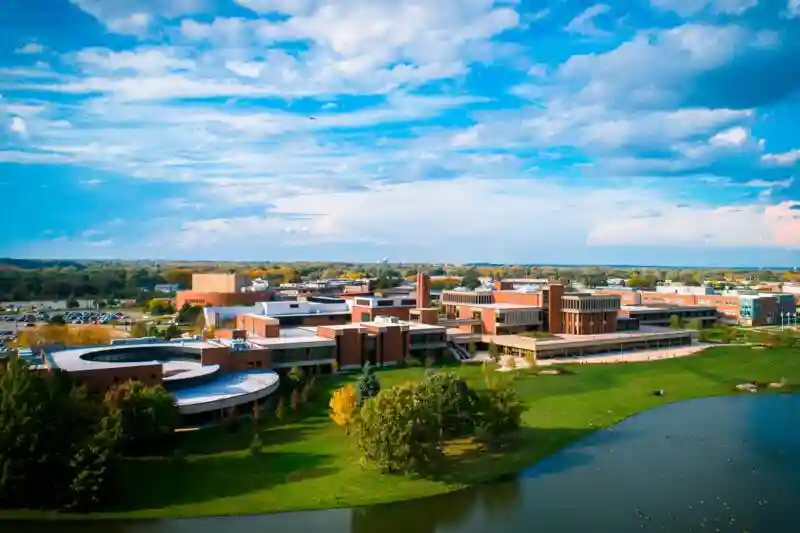
Elgin Community College
Typical cost per Year: $5,000—$10,000




Start your U.S. adventure with Study in the USA

Learn About U.S. education financing, housing, and more
The Michigan English Test for Higher Education Admissions in the U.S.
College can be hard. Proving your English doesn’t have to be. The Michigan English Test (MET) assesses your English skills, not your test-taking skills. When it’s time to prove your English, MET is the only test you need.

TutorABC
Ready to take your language learning to the next level? Have you heard about TutorABC, the World's No. 1 Online Platform for Learning English and Chinese? TutorABC is recognized as the top language platform, harnessing innovative technology to offe...

TestDEN Ultimate TOEFL Test Prep Online Course
TestDEN's Online TOEFL Test Prep is just what you need to quickly and effectively prepare for the TOEFL test. Since 1998, TestDEN has helped tens of thousands of students raise their TOEFL scores.
Resources
Learn about American culture and education direct from our experts at Study in the USA. Read more