Why Study in the USA as an International Student: Key Benefits, Requirements, and Opportunities
Over one million international students choose the United States each year to pursue higher education, drawn by world-class universities, diverse academic programs, and robust career pathways. Navigating admission criteria, visa categories, and budgeting can feel overwhelming, but this guide clarifies each step while mapping out benefits, application requirements, living costs, campus life, and post-graduation work options. You’ll discover how academic excellence in the USA enhances your learning, the precise admissions and F-1/J-1/M-1 visa processes, cost and funding strategies, support structures on campus, and long-term employment routes like OPT, CPT, and the H-1B visa.
What Are the Main Benefits of Studying in the USA for International Students?
Studying in the USA delivers unparalleled academic excellence through world-renowned institutions, extensive research opportunities, and cutting-edge facilities that directly strengthen your expertise and global employability. This combination of rigorous curricula, innovative labs, and global networks accelerates skill development and intercultural competence.
Step 1 of 3
Use of this form constitutes your agreement to our Terms of Use and Conditions.
Step 2 of 3
Step 3 of 3
Thank You!
Your information has been submitted successfully.
For more information, please review our Terms and Conditions.
How Does Academic Excellence in the USA Enhance Your Education?
Academic excellence in the USA stems from top-ranked universities that emphasize research-driven learning, small seminar classes, and interdisciplinary collaboration. These elements foster critical thinking, hands-on lab experience, and personalized mentorship, all of which translate into deeper subject mastery and innovative problem-solving skills.
Universities often integrate undergraduate research projects and faculty-led studies into coursework, accelerating practical knowledge. This research-in-curriculum approach not only deepens academic understanding but also cultivates communication and analytical skills crucial for global careers. Building on this foundation, career services link graduates to professional pathways that maximize return on investment.
Benefits of Studying in the USA
Studying in the USA offers academic excellence through world-renowned institutions, research opportunities, and cutting-edge facilities, enhancing expertise and global employability. This combination of rigorous curricula, innovative labs, and global networks accelerates skill development and intercultural competence.
Vertex AI Search, 5 Benefits of Studying in the U.S. for International Students (2024)
This source highlights the advantages of studying in the US, which supports the article's claims about the benefits of studying in the USA.
What Career Opportunities Can You Access After Studying in the USA?
Post-study career opportunities in the USA include Optional Practical Training (OPT), Curricular Practical Training (CPT), campus recruitment fairs, and extensive alumni networks. These channels enable you to gain hands-on experience in your field, network with employers, and secure positions in industries ranging from technology and finance to healthcare and engineering.
- CPT programs embed internships within degree requirements, allowing paid work during study.
- OPT permits 12 months of employment in your major field, with a 24-month STEM extension for eligible students.
- University career centers host employer info sessions and mock interviews, enhancing job readiness.
Combining practical experience with a US credential elevates your global profile and increases chances of transitioning to long-term work visas. Cultivating these connections also broadens interpersonal skills essential for international collaboration.
Career Opportunities After Studying in the USA
Post-study career opportunities in the USA include Optional Practical Training (OPT), Curricular Practical Training (CPT), campus recruitment fairs, and extensive alumni networks. These channels enable students to gain hands-on experience, network with employers, and secure positions in various industries.
Vertex AI Search, 5 Benefits of Studying in the U.S. for International Students (2024)
This source supports the article's discussion of career opportunities available to international students after completing their studies in the USA.
How Does Cultural Diversity Enrich the International Student Experience?
Cultural diversity on US campuses brings together students from dozens of countries, encouraging cross-cultural dialogue, collaborative projects, and global perspectives. Engaging with peers of varied backgrounds enhances adaptability, intercultural communication, and empathy—qualities prized by multinational organizations.
Participation in international student associations, global symposiums, and cultural festivals deepens your understanding of world issues and builds a supportive community. These experiences lay the groundwork for leadership roles in culturally diverse environments and foster lifelong global networks that support career and personal growth.
How Do You Apply to Study in the USA as an International Student?
Applying to US universities involves meeting academic prerequisites, submitting standardized test scores, and obtaining the appropriate visa. A clear roadmap ensures you fulfill each requirement on time and maximize your chance of acceptance.
What Are the Requirements for US University Admissions?
US universities typically evaluate the following admission components:
- Official transcripts demonstrating strong academic performance in your secondary or previous tertiary education.
- Standardized test scores (SAT/ACT for undergraduates; GRE/GMAT for graduates) to assess college readiness.
- Letters of recommendation from teachers or employers that attest to your academic potential and character.
- Statement of purpose or personal essay articulating your goals, experiences, and fit with the program.
- Proof of English proficiency (TOEFL, IELTS) to ensure you can succeed in an English-medium curriculum.
These elements collectively showcase your academic qualifications, personal motivation, and readiness for rigorous study. Completing each thoroughly builds a competitive application package and leads you naturally into the next step: securing your student visa.
How Do You Navigate the US Student Visa Process (F-1, J-1, M-1)?
Securing a US student visa requires understanding three main categories—F-1 for academic study, J-1 for exchange programs, and M-1 for vocational training—and completing a multi-step application:
- Receive Form I-20 or DS-2019 from your accepting institution or exchange sponsor.
- Pay the SEVIS I-901 fee and obtain the SEVIS number needed for your interview.
- Complete the DS-160 online application for nonimmigrant visas.
- Schedule and attend a consulate interview, presenting supporting documents and proof of financial capacity.
- Receive visa endorsement on your passport, enabling entry and legal study status.
Understanding each stage and document requirement reduces processing delays and ensures compliance with immigration regulations, paving the way for a smooth academic journey.
US Student Visa Process
Securing a US student visa requires understanding three main categories—F-1 for academic study, J-1 for exchange programs, and M-1 for vocational training—and completing a multi-step application. The F-1 visa is the most common for international students.
Vertex AI Search, Navigating US Student Visa: F1, M1, J1 Explained (2025)
This source supports the article's explanation of the US student visa process, including the different visa types and application steps.
What Documents Are Needed for the F-1 Visa Application?
Before your consulate interview, gather these essential documents:
| Document | Purpose | Requirement |
|---|---|---|
| Form I-20 | Confirms admission and enrollment eligibility | Issued by SEVP-certified school |
| SEVIS I-901 payment receipt | Pays the student information system fee | Mandatory for visa interview |
| DS-160 confirmation page | Online visa application form | Must include barcode |
| Passport | Proof of identity and nationality | Valid for at least six months beyond intended stay |
| Financial evidence | Demonstrates ability to cover tuition and living costs | Bank statements or sponsor letters |
| Academic transcripts and diplomas | Evidence of prior education | Certified translations if needed |
Collecting these materials in advance streamlines your interview, setting the stage for finalizing enrollment and tapping into campus support resources.
How Can International Student Support Services Assist You?
International student offices provide pre-arrival orientation, visa advising, housing assistance, and cultural adjustment workshops. They connect you with peer mentors, legal resources, and emergency services, ensuring you adapt smoothly both academically and socially. Leveraging these services enhances your well-being, enabling you to focus on studies and explore career pathways confidently.
What Are the Costs and Financial Support Options for International Students in the USA?
Understanding tuition and living expenses alongside scholarships and budgeting strategies empowers you to fund your US education without compromising on quality or experience.
How Much Does It Cost to Study and Live in the USA?
Annual costs for international students vary by institution type and location. The table below presents typical ranges:
| Cost Component | Annual Amount (USD) | Notes |
|---|---|---|
| Public university tuition | 25,000 – 40,000 | In-state rates often lower than out-of-state |
| Private university tuition | 40,000 – 85,000 | Highly ranked institutions tend toward higher fees |
| On-campus housing | 10,000 – 15,000 | Includes room and board |
| Living expenses | 12,000 – 18,000 | Books, transportation, personal needs |
Total annual budgets can reach $60,000–$100,000, but strategic financial planning and funding options can offset these costs and maintain financial balance throughout your studies.
Cost of Studying in the USA
The cost of studying in the USA varies depending on the institution type and location, with annual costs potentially reaching $60,000–$100,000. Public university tuition typically ranges from $25,000 – $40,000, while private university tuition can range from $40,000 – $85,000.
Vertex AI Search, Cost to Study in USA for International Students: Tuition Fees, Living Expenses & More (2025)
This source provides information on the costs associated with studying in the USA, which supports the article's discussion of tuition and living expenses.
What Scholarships and Financial Aid Are Available for International Students?
Multiple funding sources support international scholars:
- University scholarships awarded based on merit or need, covering partial to full tuition.
- Government-sponsored programs like Fulbright and Humphrey Fellowships for graduate study and research.
- Private foundations and corporate awards targeting specific fields (STEM, business, the arts).
- On-campus employment options such as teaching or research assistantships for graduate students.
By applying early and tailoring essays to scholarship criteria, you maximize your chances of receiving substantial awards. Scholarship funding alleviates financial stress and allows you to focus on academic and professional growth.
Scholarships and Financial Aid for International Students
Multiple funding sources support international scholars, including university scholarships, government-sponsored programs like Fulbright, and private foundations. By applying early and tailoring essays to scholarship criteria, students can maximize their chances of receiving awards.
Vertex AI Search, International scholarships to study in the US | Top Universities (2024)
This source provides information on scholarships and financial aid available for international students, which supports the article's discussion of funding options.
How Can You Budget and Manage Expenses While Studying in the USA?
Effective budgeting strategies include:
- Prioritizing rent-to-income ratios by choosing cost-effective housing or shared accommodations.
- Tracking daily expenses with budgeting apps to identify and reduce non-essential spending.
- Utilizing student discounts on transportation, software, and cultural events.
- Seeking part-time, on-campus roles that align with visa regulations and supplement living costs.
Consistent expense monitoring and proactive planning ensure that you can maintain a healthy balance between academic commitments and personal well-being, enabling full engagement with campus opportunities.
What Is Student Life Like for International Students in the USA?
Beyond academics, US campuses offer a vibrant ecosystem of clubs, language resources, and cultural events that foster personal growth and community connection.
How Does Campus Life Support International Students?
Campus life services include orientation programs, international student associations, mentoring networks, and counseling centers. These initiatives promote peer connections, mental health support, and leadership development through workshops and community events. Engaging with these resources builds resilience, social integration, and confidence inside and outside the classroom.
How Can You Improve Your English Language Skills in the USA?
Immersive strategies accelerate language proficiency:
- Enrolling in university-sponsored English as a Second Language (ESL) courses.
- Participating in conversation clubs, writing centers, and tutoring services.
- Engaging in homestays or volunteer programs that foster daily practice.
- Seeking internships or campus jobs requiring regular communication.
This sustained practice in academic and social settings enhances fluency, comprehension, and professional communication skills vital for success in global workplaces.
What Cultural Experiences and Extracurricular Activities Are Available?
US campuses host a wealth of extracurricular activities:
- Cultural festivals, international film nights, and global speaker series expand worldviews.
- Student government, sports teams, and academic clubs build leadership and teamwork abilities.
- Community service opportunities connect you with local organizations, fostering civic engagement.
Participating in these activities enriches your intercultural competence, nurtures personal interests, and integrates you into a dynamic campus community.
What Post-Graduation Work Opportunities Exist for International Students in the USA?
Post-Graduation Work Opportunities
Optional Practical Training (OPT) allows F-1 students to work full-time for up to 12 months in their major field of study, with a 24-month STEM extension for eligible students. Securing an H-1B visa involves employer sponsorship, where the company files a petition demonstrating specialized expertise and the role’s market demand.
Vertex AI Search, Post-Graduation Work Opportunities for International Students in the US - AcadFly (2024)
This source supports the article's discussion of post-graduation work opportunities, including OPT and H-1B visas.
How Does Optional Practical Training (OPT) Work for International Graduates?
Optional Practical Training (OPT) allows F-1 students to work full-time for up to 12 months in their major field of study. STEM graduates may apply for a 24-month extension, totaling 36 months of work authorization. OPT bridges academic knowledge and real-world practice, enabling you to build professional portfolios and network within your industry. Leveraging career services and employer referrals during OPT often leads to sponsored H-1B petitions for continued employment.
What Is Curricular Practical Training (CPT) and How Can It Benefit You?
Curricular Practical Training (CPT) integrates internships or cooperative education directly into your degree requirements. CPT positions can be part-time or full-time, offering practical work experience without delaying graduation. This structured work-study model enhances technical skills and industry exposure earlier in your program, improving employability upon graduation and easing the transition to OPT.
How Can You Transition to an H-1B Visa for Long-Term Employment?
Securing an H-1B visa involves employer sponsorship, where the company files a petition demonstrating your specialized expertise and the role’s market demand. H-1B status permits up to six years of employment, renewable through advanced degrees or transfer between employers. Transition success often relies on leveraging professional networks built during OPT or CPT and aligning your skill set with in-demand sectors like STEM, finance, or healthcare. Crafting a strong résumé and seeking legal guidance expedite the H-1B application and support job continuity.
Studying in the USA as an international student opens doors to exceptional academic resources, diverse cultural immersion, and structured career pathways that few other destinations can match. By mastering admission requirements, visa procedures, financial planning, and campus support systems, you position yourself to thrive both during your studies and throughout your professional journey. Embracing these opportunities fosters global networks, intercultural competence, and long-term employment advantages that power success in an interconnected world.

Study in the USA ®
Get matched to the best program for you
Let us know what you're looking for so we can find the best school for you.

Useful Articles


Check Out These Schools
English Language Institute at Michigan Technological University
$5,000—$10,000 Semester

Arkansas Tech University
$10,000 — $15,000 Semester
Sam Houston State University - Office of International Programs
$5,000—$10,000 Semester

The Fashion Institute of Technology (FIT)
Typical cost per Session: $1,000—$2,000

Santa Barbara City College
Typical cost per Year: $5,000—$10,000
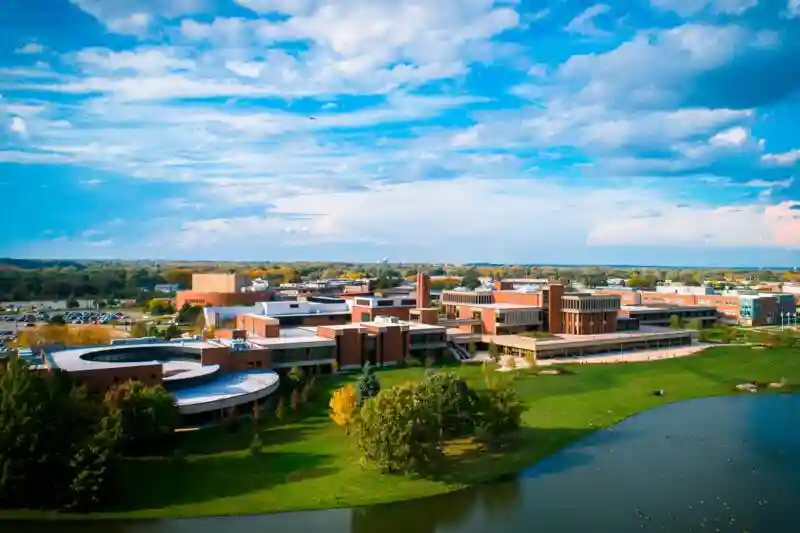
Elgin Community College
Typical cost per Year: $5,000—$10,000




Start your U.S. adventure with Study in the USA

Learn About U.S. education financing, housing, and more
The Michigan English Test for Higher Education Admissions in the U.S.
College can be hard. Proving your English doesn’t have to be. The Michigan English Test (MET) assesses your English skills, not your test-taking skills. When it’s time to prove your English, MET is the only test you need.

TutorABC
Ready to take your language learning to the next level? Have you heard about TutorABC, the World's No. 1 Online Platform for Learning English and Chinese? TutorABC is recognized as the top language platform, harnessing innovative technology to offe...
TestDEN Ultimate TOEFL Test Prep Online Course
TestDEN's Online TOEFL Test Prep is just what you need to quickly and effectively prepare for the TOEFL test. Since 1998, TestDEN has helped tens of thousands of students raise their TOEFL scores.
Resources
Learn about American culture and education direct from our experts at Study in the USA. Read more